Resources & Inspirations
to support you and your loved ones to live and die with peace, love, and dignity.
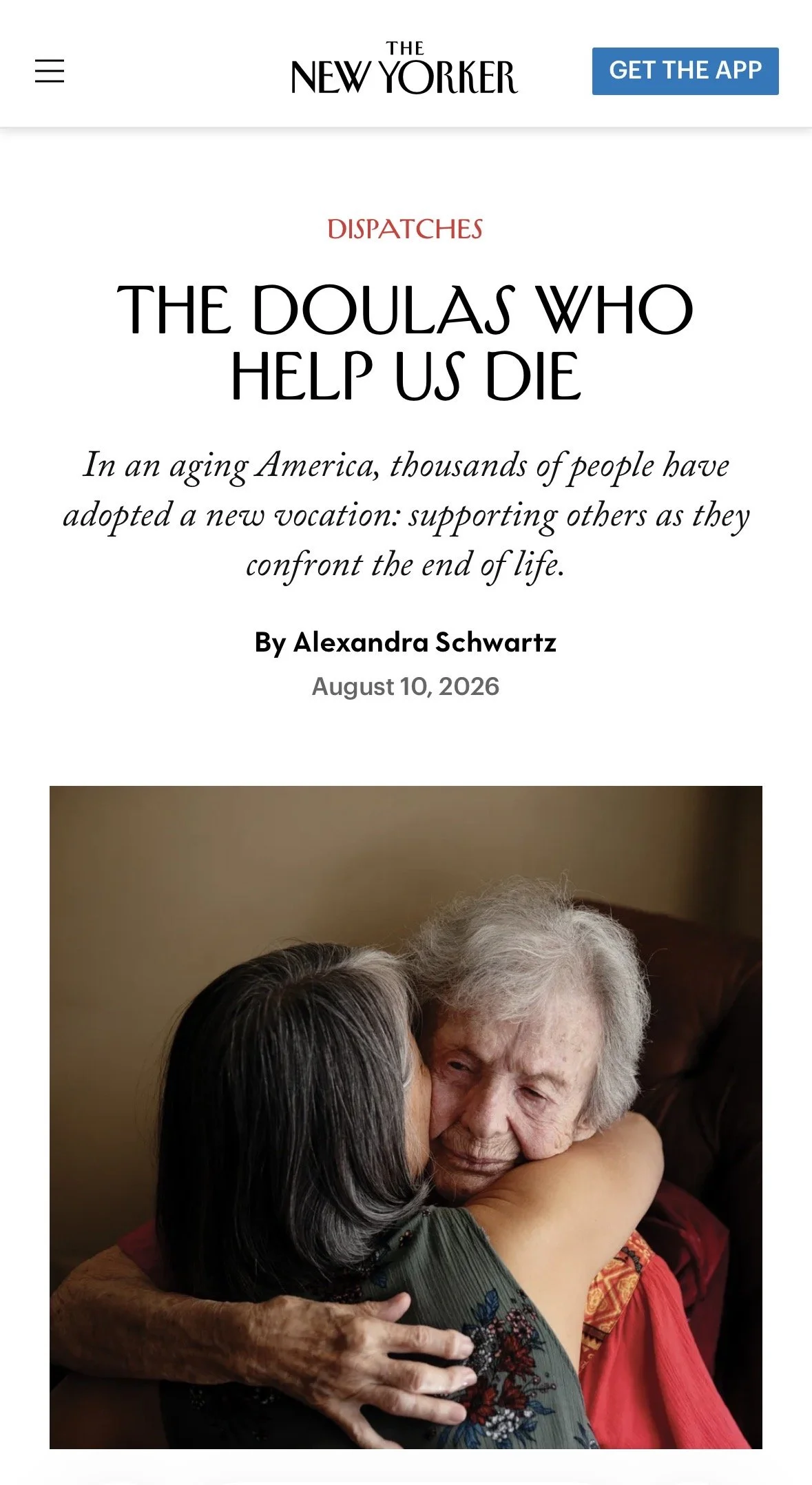
Death Doulas Help You Live Well by Facing Your Own Mortality
That's the gap death doulas fill: the widening space between medicine's power to prolong life and the emotional, spiritual work of actually reckoning with our own mortality.

Legacy Planning With Heart
I’m honored to share that I am part of a team that won the Housing Solutions Honor Award from Texas Capital Foundation.
The award supports one nonprofit organization dedicated to advancing long-term housing stability and generational wealth through homeownership. This grant will fund programs that offer homebuyer education, housing succession planning or estate planning — addressing systemic barriers and helping families build lasting financial security.
Join a Estate Planning Attorney, a Death Doula, and a trusted non-profit, what do you get? Improved clarity and generational wealth of all kinds for generations now and in to the future!
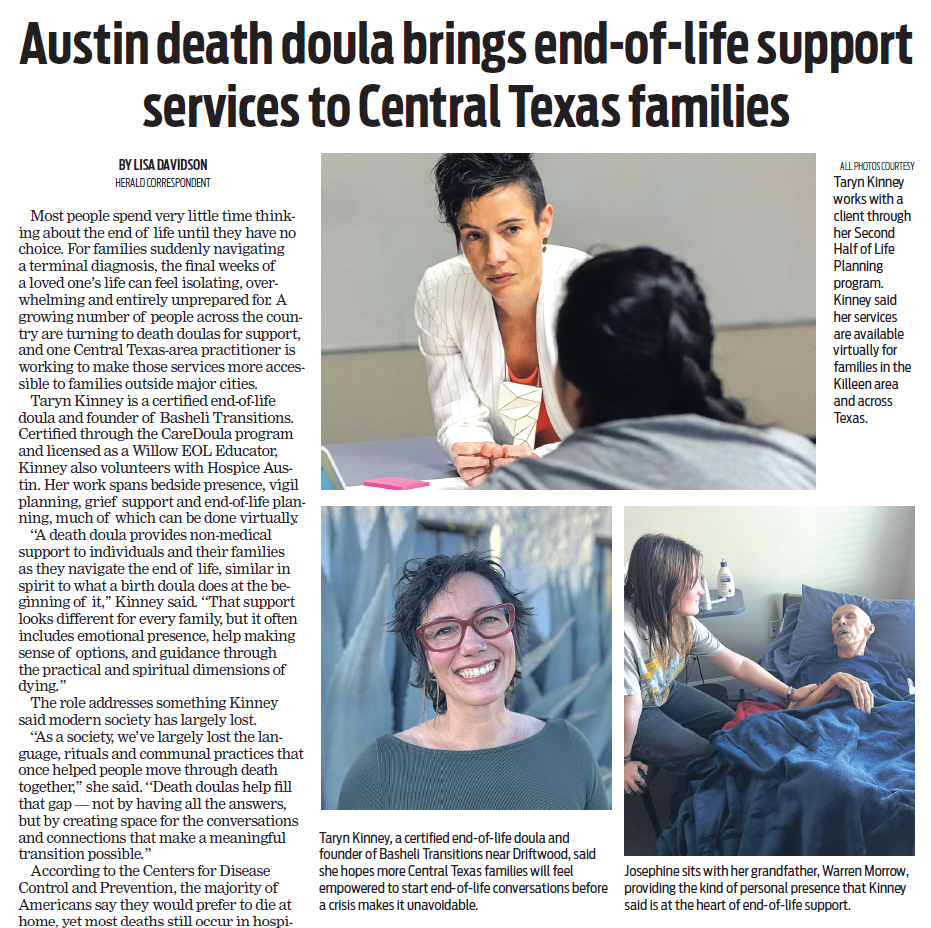
What is a Death Doula — and Why Does It Matter Where You Live?
What is a Death Doula — and Why Does It Matter Where You Live?
A journalist from Killeen, TX recently asked me to answer that question, and I'm so glad she did.
Here's how I put it:
"A death doula provides non-medical support to individuals and their families as they navigate the end of life — similar in spirit to what a birth doula does at the beginning of it. That support looks different for every family, but it often includes emotional presence, help making sense of options, and guidance through the practical and spiritual dimensions of dying."
What started as a simple definition turned into a much deeper conversation — one about access.

Embracing Midlife as a Gateway to Rebirth: Lessons from Chloe Zhao's Journey
Embracing Midlife as a Gateway to Rebirth: Lessons from Chloe Zhao
A recent interview with Oscar-nominated director Chloe Zhao (Hamnet) stopped me in my tracks. While discussing her film, she revealed something unexpected: she's training as a death doula.
Her words struck me deeply:
"When you're in your 40s, a midlife crisis is the best thing that can happen to you, because you're on your way to a rebirth. You can't run from this feeling. Your body is changing, and you can feel death. And because I'm so scared of it, I have no choice but to start to develop a healthier relationship with it, or the second half of life would be too hard."
The Fear Beneath the Surface
The most common fear around mortality I witness in my coaching practice isn't death itself—it's the fear that we haven't lived our lives fully.
This is why Chloe's approach is so powerful. By facing her fear head-on, she's choosing to connect more deeply with life itself.
Your Second Half of Life Awaits
I recently guided a client through identifying who and what matters most in her unique, precious life. The transformation was remarkable and continues to unfold through intentional daily actions.
This challenging inner work creates profound returns:
✨ Clarity on what truly matters
✨ Deeper connections with loved ones
✨ Purpose-driven choices aligned with your values
Are you experiencing your own midlife rebirth? Whether you're navigating transitions or seeking to live more intentionally in your second half of life, I'm here to guide you.
#MidlifeTransition #SecondHalfOfLife #LifeCoaching #DeathDoula #MidlifeRebirth #ConsciousAging #LifePurpose #IntentionalLiving #MortalityAwareness
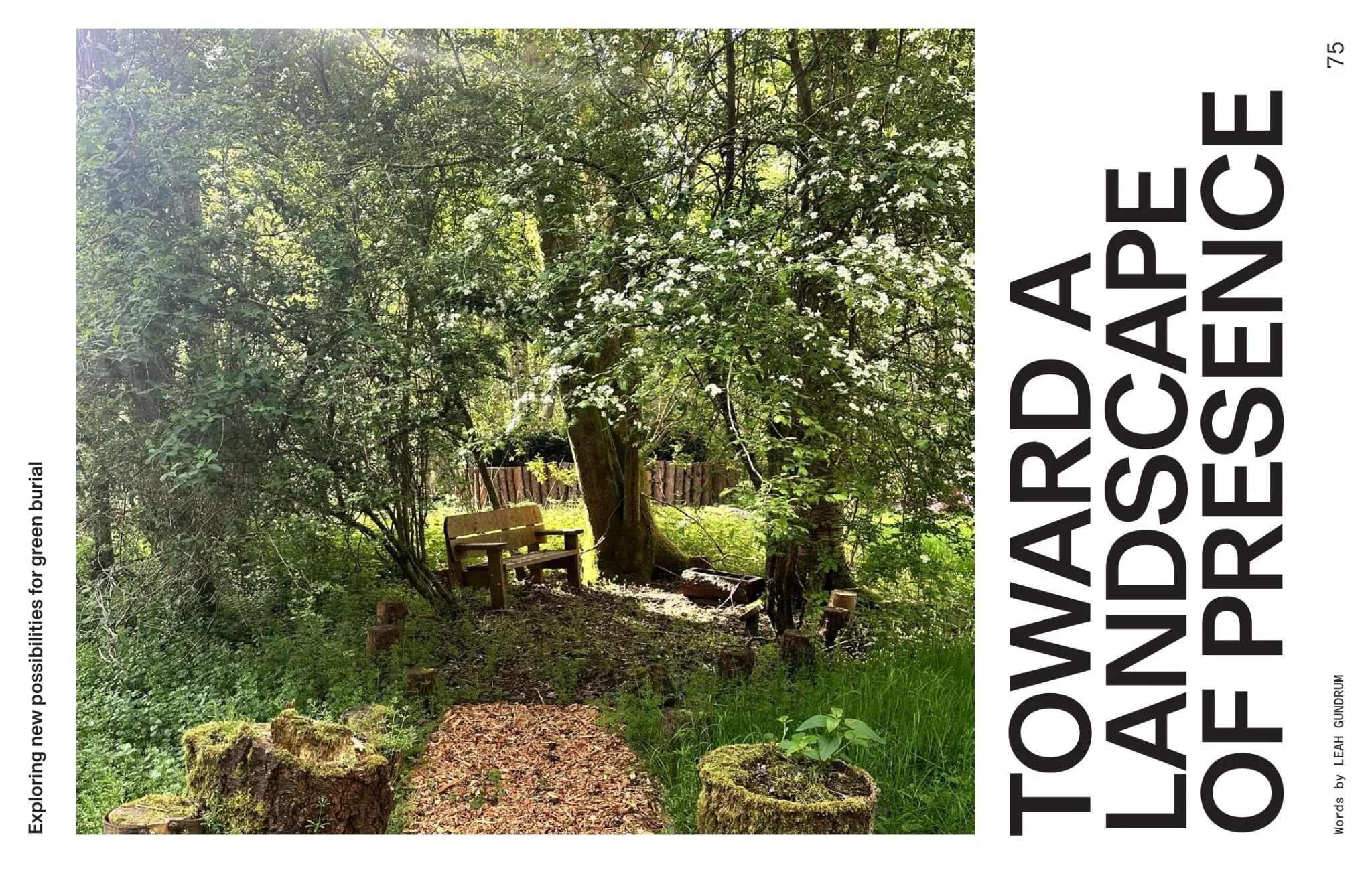
From Architecture to Death Work: Designing Spaces for Life's Final Transition
Death is the one experience that unites us all. What if we designed spaces and practices that brought communities together around this shared human experience rather than isolating it? Gundrum's article explores how we've distanced ourselves from death over the past centuries. What once happened at home with family support now typically occurs in hospitals. Similarly, cemeteries have been relocated from city centers to isolated spaces.
But this is changing. Recent Texas legislation now permits cemeteries within city limits again. Gundrum examines global examples where burial grounds "become vital spaces where memory, ecology, and renewal are held in balance, and where life is honored just as fully as loss."

The "Silver Tsunami" is Here, and We're Not Ready
The "Silver Tsunami" is here, and we're not ready.
Michelle Cottle's recent piece on navigating her father's final months reveals a crisis hiding in plain sight:
The numbers are staggering:
10,000+ baby boomers turn 65 daily
59 million Americans are informal caregivers
Yet 64% experience high emotional stress, 45% suffer physical strain, and up to 70% show symptoms of depression
The isolation is real. Despite millions walking this path, our culture avoids the conversation—leaving caregivers struggling alone with twice the rate of chronic illness as non-caregivers.
The care gap is widening. Visa restrictions and political tensions are limiting the foreign-born caregivers who have historically filled this role—caregivers from cultures that deeply honor both elders and those who care for them.
When my father-in-law needed care in his final months, we depended on compassionate caregivers from other countries. They didn't just provide services—they brought dignity, respect, and genuine pride in their work.
We need to have honest conversations about eldercare in America. The demographic wave isn't coming—it's already here.
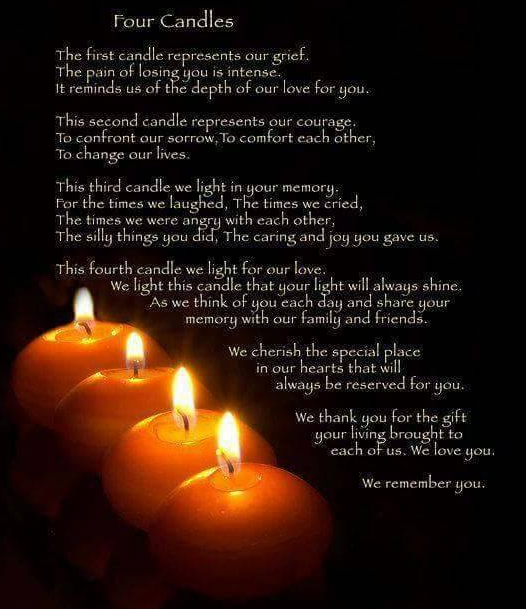
Making Space for Grief…Especially During the Holidays
As we kickoff of the winter holiday season I am holding close those that have lost a loved one recently and those that are dealing with the daily losses of witnessing their loved one changing.
As a culture we are not very good at grieving. We often expect people to do it in private or not at all, but feelings are real and we need to make space to process them. When we don't acknowledge them and let them see the light of our day they often force themselves out when least expected. The high energy often required during the holidays is a prime time for feelings to erupt.
The key is to make space for the tears, so that you can also make space for the joy. Each memory potentially has the gift of both feelings if we can welcome them in.

Dying As Adventure
Jane Goodall has always been an inspiration to me—for so many reasons. But I recently came across a piece of wisdom from her that I didn’t expect: her perspective on dying as an adventure.
It's a mindset that many of us don’t consider, but what a powerful opportunity it is—to shift our view of death from fear to curiosity.
Many of us fear death because we see it only as an ending. But what if, like Jane, we could see it as the next great adventure?

What is the Death Positive Movement?
The death positive movement is growing—especially among Gen-Xers in the Sandwich Generation caring for both kids and aging parents. Taryn Kinney, a death doula, helps families navigate end-of-life with compassion and clarity. Embracing mortality can empower us to plan, connect, and care better. Ready to learn more? Reach out today.

What if we treated Birth like we treat Death?
Jane Whitlock, a Minneapolis death doula, shares powerful insights in her TEDx talk. She compares how we prepare for birth vs. death, challenging our cultural fear of dying. By facing death openly, we can heal relationships, find purpose, and shape our legacy. Her talk highlights the value of death doulas in end-of-life care.

Why I became an End-of-Life Doula
After major life transitions and the loss of both my father and father-in-law, I was called to support others facing end-of-life. I’m now training as a death doula in Austin, TX, offering emotional and spiritual care during life’s final chapter. We all face death—let’s face it with compassion, presence, and support.

Palliative Care: looking at the whole person
With all the incredible specialists that my father saw over his cancer journey, no one was looking at the whole person. If someone had looked at all of his symptoms holistically our experience would have been different. The silos of specialization, common in our health care system, can often leave families with conflicting information and advice. Palliative Care can help patients and their families not only understand and evaluate their treatment options but also navigate the health system overall.
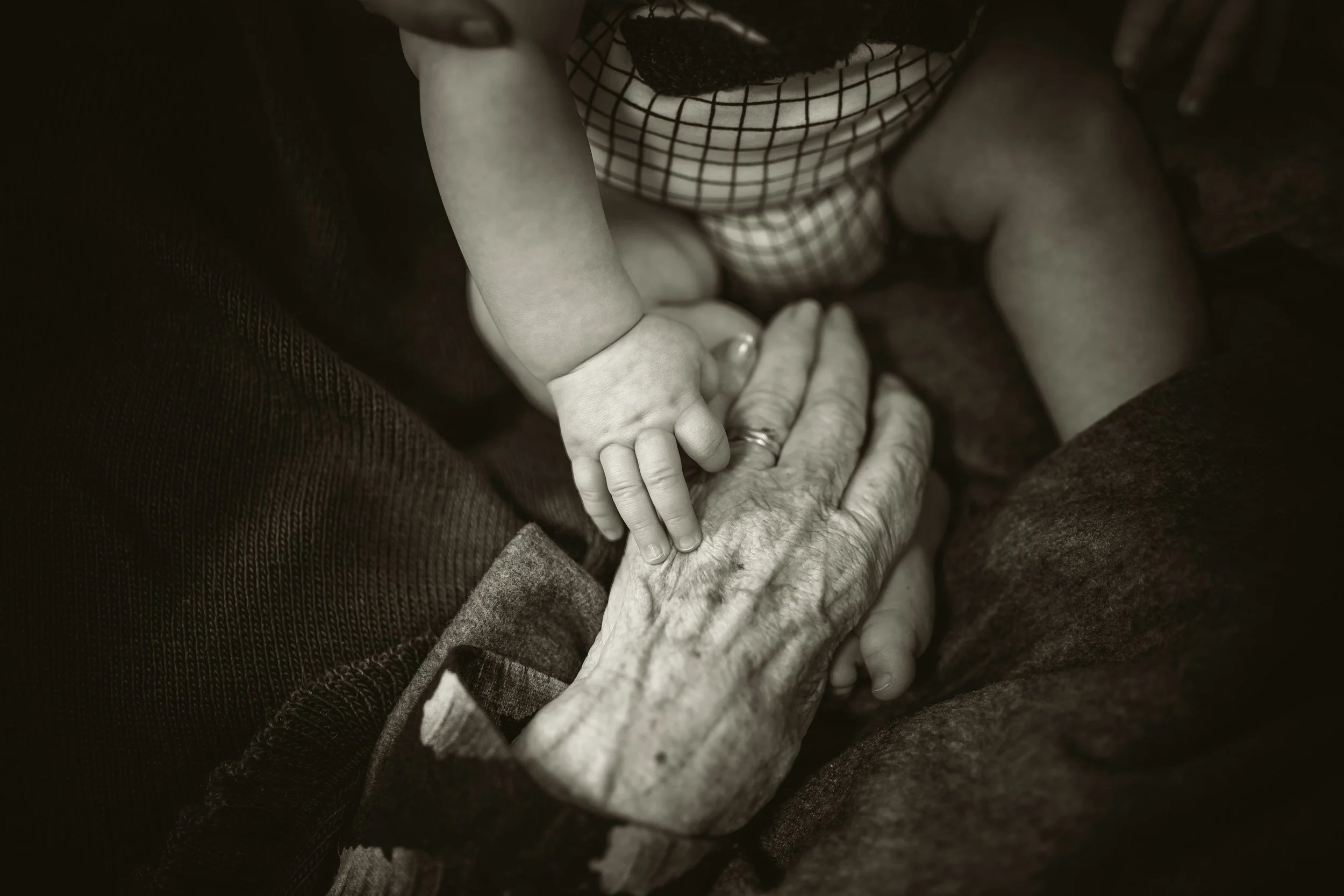
Why don’t we talk about death?
We don’t talk about death to avoid the minor discomforts of listening to someone talk about their hardships or share your moments of grief with another, we shut down and hold all the feelings in. We trade one small moment of comfort for long moments of misery when emotions are not acknowledged, expressed, and even named.
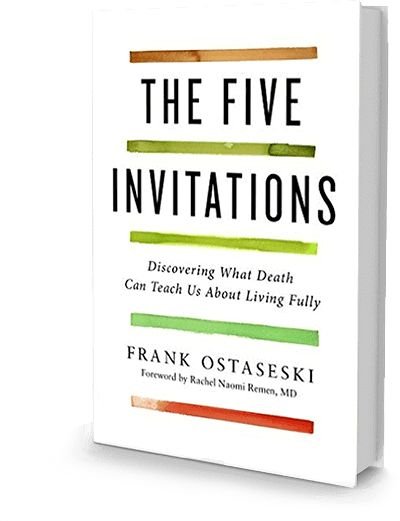
What if you didn’t wait to begin living?
What if we didn’t wait “to begin living each moment in a manner that is deeply engaged?”